Clean Code: A Handbook of Agile Software Craftsmanship - Comprehensive Review
In-depth review of Robert C. Martin's Clean Code, examining its principles, practical applications, and lasting impact on software development practices across different programming paradigms.
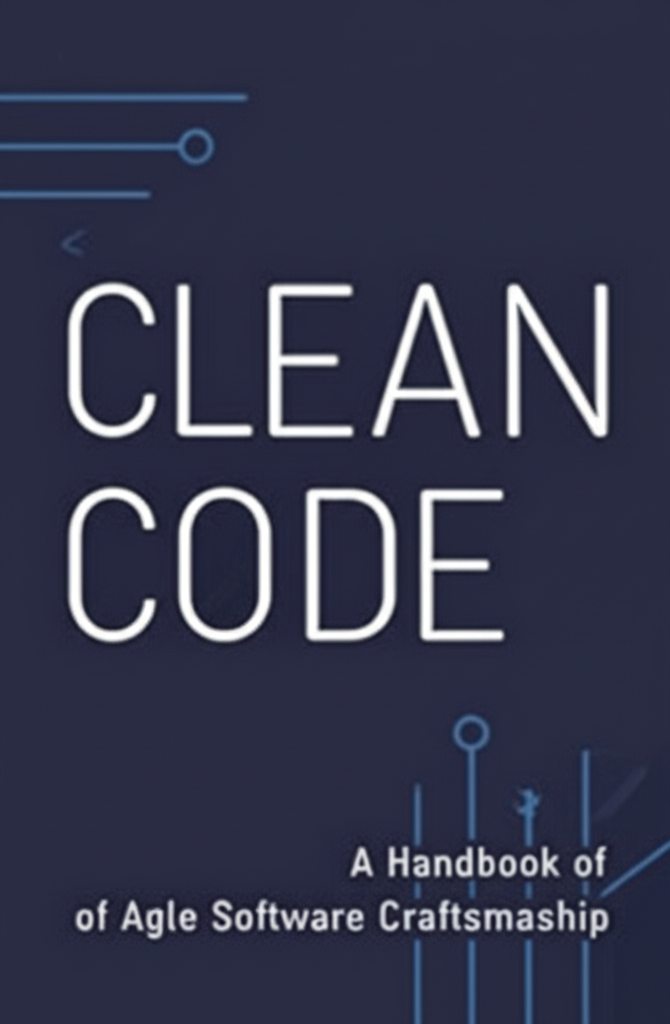
Clean Code: A Handbook of Agile Software Craftsmanship - Comprehensive Review
Robert C. Martin's "Clean Code" remains one of the most influential books in software development, fundamentally changing how developers think about code quality and maintainability. After applying its principles in production systems for years, here is my comprehensive review.
Book Overview
Author: Robert C. Martin (Uncle Bob)
Publication Year: 2008
Pages: 464
Target Audience: Professional software developers, team leads, software architects
Difficulty Level: Intermediate to Advanced
Core Principles and Concepts
Meaningful Names
Martin emphasizes that naming is one of the most critical aspects of clean code. The book provides concrete guidelines:
- Use intention-revealing names
- Avoid mental mapping
- Use searchable names
- Avoid encodings and prefixes
Example from the book:
// Bad
int d; // elapsed time in days

// Good
int elapsedTimeInDays;
Functions Should Be Small
The principle that functions should do one thing well is thoroughly explored:
- Functions should be small (ideally 20 lines or fewer)
- Each function should have a single responsibility
- Use descriptive names that explain what the function does
- Minimize the number of arguments
Comments and Code Clarity
One of the most controversial aspects of the book is Martin's stance on comments:
- Good code is self-documenting
- Comments often lie and become outdated
- Focus on making code expressive rather than commenting unclear code
- When comments are necessary, make them count
Error Handling
The book provides practical guidance on exception handling:
- Use exceptions rather than return codes
- Write try-catch-finally statements first
- Provide context with exceptions
- Don't return null values
Practical Applications
Refactoring Legacy Code
The book includes extensive examples of refactoring messy code:
Before Refactoring:
public class UserValidator {
    public boolean validate(String email, String password, int age) {
        if (email == null || email.length() == 0) return false;
        if (!email.contains("@")) return false;
        if (password == null || password.length() < 8) return false;
        if (age < 18) return false;
        return true;
    }
}
After Applying Clean Code Principles:
public class UserValidator {
    private static final int MINIMUM_PASSWORD_LENGTH = 8;
    private static final int MINIMUM_AGE = 18;

    public ValidationResult validate(User user) {
        return ValidationResult.builder()
            .addResult(validateEmail(user.getEmail()))
            .addResult(validatePassword(user.getPassword()))
            .addResult(validateAge(user.getAge()))
            .build();
    }

    private ValidationResult validateEmail(String email) {
        if (isEmpty(email)) {
            return ValidationResult.failure("Email cannot be empty");
        }
        if (!containsAtSymbol(email)) {
            return ValidationResult.failure("Email must contain @ symbol");
        }
        return ValidationResult.success();
    }
}
Real-World Impact
Team Collaboration
Implementing Clean Code principles in teams leads to:
- Reduced onboarding time: New team members can understand codebase faster
- Faster code reviews: Clean code is easier to review and reason about
- Fewer bugs: Well-structured code with clear responsibilities has fewer edge cases
- Easier maintenance: Changes are localized and predictable
Long-term Benefits
Projects following Clean Code principles show:
- Lower technical debt: Code remains maintainable over time
- Faster feature development: Well-structured code accelerates new features
- Reduced debugging time: Clear code makes bugs obvious
- Better test coverage: Clean code is easier to test
Criticisms and Limitations
Dogmatic Approach
Some developers find Martin's rules too rigid:
- The "no comments" rule can be taken too far
- Small functions can sometimes hurt readability
- Context matters more than strict adherence to rules
Language-Specific Examples
The book heavily uses Java examples, which may not translate well to:
- Functional programming languages
- Dynamic languages like Python or JavaScript
- Domain-specific languages
Enterprise Context
Some principles may not apply well in:
- Legacy systems with existing conventions
- Performance-critical applications
- Small scripts or prototypes
Comparison with Other Books
vs. Code Complete (Steve McConnell)
- Clean Code: More focused on micro-level code quality
- Code Complete: Broader coverage of software construction
- Recommendation: Read both for comprehensive understanding
vs. Refactoring (Martin Fowler)
- Clean Code: Principles and philosophy
- Refactoring: Specific techniques and patterns
- Synergy: These books complement each other perfectly
vs. Design Patterns (Gang of Four)
- Clean Code: Focus on code organization and clarity
- Design Patterns: Reusable solutions to common problems
- Integration: Clean Code principles help implement patterns better
Key Takeaways for Modern Development
Microservices and Clean Code
Clean Code principles are especially relevant in microservices:
- Small, focused functions translate to small, focused services
- Clear interfaces reduce coupling between services
- Error handling becomes crucial for service resilience
Test-Driven Development
The book strongly advocates for TDD:
- Tests drive better design decisions
- Clean tests are as important as clean production code
- TDD naturally leads to cleaner, more modular code
Continuous Integration
Clean Code practices support CI/CD:
- Consistent code style enables automated checks
- Small functions are easier to test automatically
- Clear error handling improves deployment reliability
Modern Relevance (2024 Perspective)
Still Relevant
- Core principles remain timeless
- Object-oriented insights apply to modern languages
- Function organization principles work in any paradigm
Areas Needing Updates
- Functional programming concepts
- Modern JavaScript/TypeScript patterns
- Cloud-native development considerations
- Container-based deployment implications
Practical Implementation Strategy
Phase 1: Individual Practice
- Start with naming conventions
- Focus on function size and responsibility
- Practice refactoring small methods
- Implement consistent error handling
Phase 2: Team Adoption
- Establish coding standards based on Clean Code
- Implement code review processes
- Use static analysis tools to enforce rules
- Conduct refactoring sessions
Phase 3: Organizational Culture
- Make clean code part of definition of done
- Include code quality in performance reviews
- Invest in developer education and training
- Measure and track code quality metrics
Tools and Technologies
Static Analysis Tools
- Java: SpotBugs, PMD, Checkstyle
- JavaScript: ESLint, SonarJS
- Python: Pylint, Black, mypy
- C#: StyleCop, FxCop
Code Quality Metrics
- Cyclomatic complexity
- Lines of code per function
- Code coverage
- Technical debt ratio
Conclusion
"Clean Code" remains an essential read for any serious software developer. While some aspects may feel dated, the core principles of clarity, simplicity, and responsibility are timeless.
Rating: 4.5/5 stars
Pros:
- Practical, actionable advice
- Comprehensive coverage of code quality
- Strong emphasis on maintainability
- Excellent refactoring examples
Cons:
- Can be overly prescriptive
- Java-heavy examples
- Some principles may not apply universally
Recommendation: Essential reading for developers with 2+ years of experience. Best read alongside practical application in real projects.
The book's lasting impact lies not in its specific rules, but in its fundamental message: code is written for humans to read, not just for computers to execute. This perspective shift alone makes it worth reading and re-reading throughout your career.

Manish Bookreader
Electronics enthusiast, Embedded Systems Expert, Linux/Networking programmer, and Software Engineer passionate about AI, electronics, books, and cooking.